Microneedling and PRP: two decisions, not one package
Microneedling and PRP can be marketed together, but the FDA says microneedling devices are not cleared for use with PRP or other products delivered into skin. Ask how each part of a proposed package works and what evidence supports the combination.
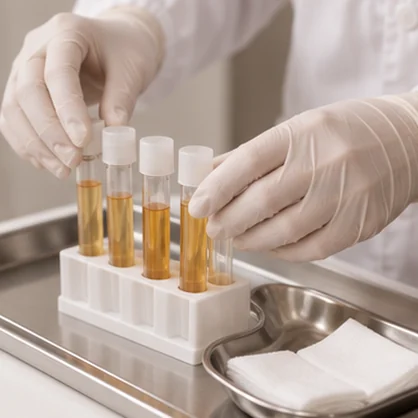
Identify the device and the PRP method
Ask for the microneedling device brand and model, its authorized indication, whether a new cartridge is used, and whether PRP is injected, applied topically, or used in another way.
Discuss risk for your skin
Microneedling can cause temporary redness, tightness, bruising, and other reactions; less common risks include pigment changes and infection. A clinician should assess whether your history makes the procedure unsuitable.
Compare the whole plan
Ask what goal each component is meant to address, how many visits are suggested, the total price, aftercare, and what happens if you choose microneedling without PRP.

Separate the price and the evidence
Ask for the cost of microneedling alone and the cost with PRP. Then ask what added benefit the practice expects from PRP for your specific concern and what evidence supports that expectation. A bundled name should not replace a clear explanation of each component.
A device checklist
Request the device name, its authorized use, a fresh cartridge, the treating clinician’s training, written aftercare, and a contact route for problems. The FDA also warns about infection and pigment changes. If PRP is included, ask whether it is injected, applied on the surface, or delivered by another method.
Related reading
Sources: FDA: Microneedling devices (opens in a new tab) · Texas Medical Board: Med spa services (opens in a new tab)
Ready to talk about your options?
Request an appointment for the treatment you want to explore. We will contact you to confirm provider availability, visit details, and the location.