Standard vs. RF microneedling: understand the device difference
Both treatments use needles, but radiofrequency microneedling also delivers energy into tissue. Ask which device is proposed and why its benefits and risks fit your specific skin concern.
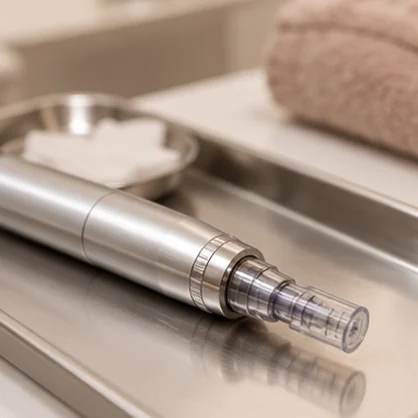
What standard microneedling does
A pen-style microneedling device makes controlled punctures in the skin. FDA-authorized devices have specific indications, including certain uses for facial acne scars and wrinkles in adults. “DermapPen” is often used loosely for a device category; ask for the actual brand, model, authorization, and proposed depth. The setting should follow a clinical assessment, not a universal number from a menu.
What RF adds
Radiofrequency microneedling uses needles to deliver electrical energy as heat beneath the skin. That makes the device and operator choices especially important. The FDA issued a safety communication in 2025 about serious complications reported with certain uses, including burns, scarring, fat loss, disfigurement, and nerve damage. Ask the provider which RF device is proposed, what indication it has, and how settings and placement are chosen for you.
Sources: FDA: RF microneedling safety communication (opens in a new tab)
Compare the goal before the device
Tell the clinician whether your main concern is acne scarring, fine lines, texture, laxity, or something else. Ask what each device could realistically address and what it cannot. A more complex device is not automatically a better match. Request an explanation of expected number of visits, recovery, uncertainty, and total cost for the exact concern you bring, rather than a generic “skin rejuvenation” package.

Ask about your skin and medical history
Discuss pigment-change history, scarring tendency, active skin conditions, medications, and any other issues the clinician says may affect eligibility. The FDA lists risks for microneedling that include skin irritation, infection, and pigment changes. Ask whether your skin tone or history changes the device choice, settings, preparation, or aftercare. The answer should be individual, not a promise that one technique is safe for everyone.
Check infection control and the operator
Ask whether a new sterile cartridge is used for each session, how the device is cleaned, who performs the treatment, and what training they have on that particular machine. Get the operator’s name and license. For an RF device, ask how the practice manages an energy-related adverse event and who evaluates a possible burn or unexpected contour change. Save the contact route before the procedure.
Sources: FDA: Microneedling devices (opens in a new tab) · FDA: RF microneedling safety communication (opens in a new tab)
Separate PRP and product add-ons
A package may combine microneedling with PRP, serums, or drugs. Ask whether each add-on is placed on the surface, injected, or intended for delivery through the punctures, and what evidence supports that use. The FDA says microneedling devices are not cleared for delivery of PRP, creams, drugs, or other products into the skin. A bundle name should not blur that regulatory distinction.
Leave with a device-specific plan
Request written preparation, aftercare, expected temporary effects, warning signs, and follow-up timing for the exact device used. Ask when the practice wants to hear from you about persistent pain, a burn-like change, infection concerns, or pigment changes. Avoid judging recovery against another person’s online photos. Glow Match Texas cannot identify an operator or device in the Clear Lake area until a real provider relationship is verified.
Is “FDA-approved microneedling” enough detail?
No. Ask for the specific device and its authorized indication for your concern. The FDA explains that microneedling devices are authorized for particular uses, not for every skin claim in a menu. For RF microneedling, ask how the practice accounts for the FDA’s safety communication in device selection, settings, consent, and follow-up. A device logo on a webpage does not answer those questions.
Sources: FDA: Microneedling devices (opens in a new tab) · FDA: RF microneedling safety communication (opens in a new tab)
How should I compare the recovery plans?
Request the expected short-term effects, skin-care instructions, activity limits, and a point of contact for each proposed procedure. Ask which changes would prompt a call and how quickly the practice can assess you. The plan should account for the device, treatment area, settings, and your history; a generic promise of no downtime is too vague to guide a decision. Build the appointment around the clinician’s written instructions, not another person’s recovery photos.
Related reading
Sources: FDA: Microneedling devices (opens in a new tab) · FDA: RF microneedling safety communication (opens in a new tab) · Texas Medical Board: Med spa services (opens in a new tab)
Ready to talk about your options?
Request an appointment for the treatment you want to explore. We will contact you to confirm provider availability, visit details, and the location.